
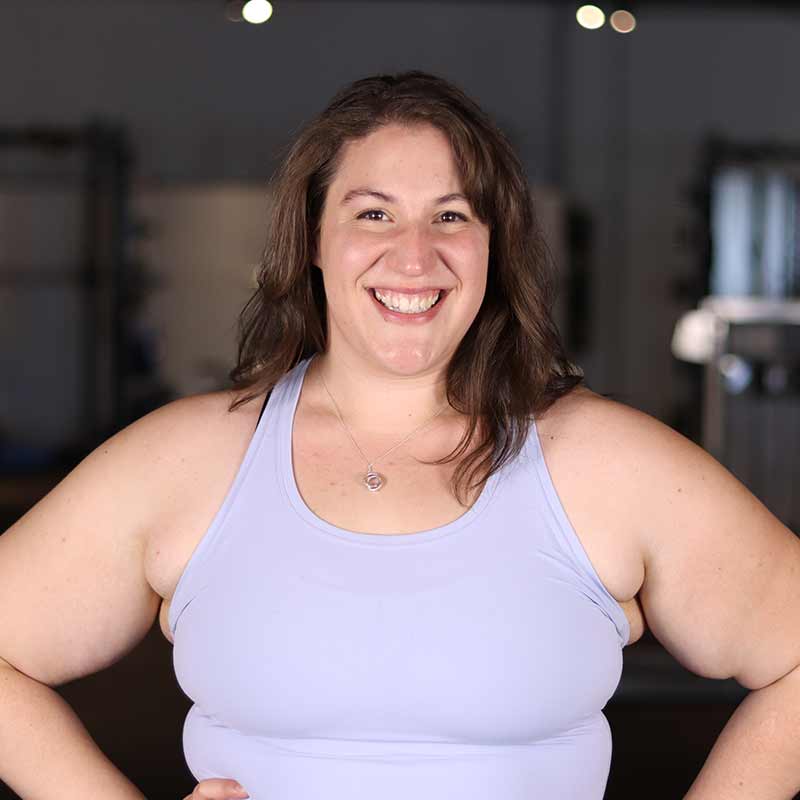
Personal Trainer
Introduction:
The Importance of Goal Setting
Before we delve into the elements of a sustainable goal , it’s important that you understand the importance of goal setting.
Setting goals at the beginning of your journey helps you:
- Define what success looks like
- Identify the steps you need to take to succeed
- Contextualize your progress so that you can celebrate small wins
Be Specific
- What do I want to achieve regarding my body composition?
- When do I want to achieve my goal?
- Where will I work towards achieving my goal?
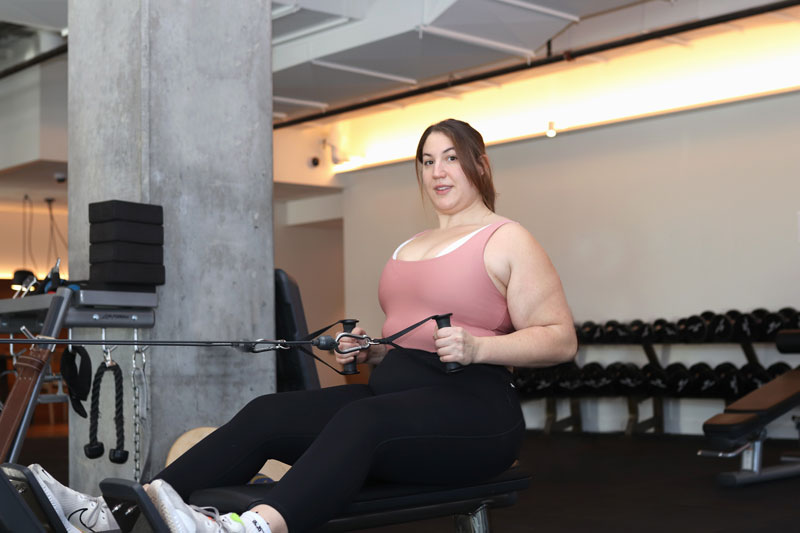
As an example, you might set your specific body composition goal to be, “I want to lose one inch on my waist within two months.” With this specific goal, you can create an action plan that details the things you will do to achieve that goal. Your specific goal then becomes, “I will lose one inch on my waist within two months by training three times per week at the gym and eating balanced meals”
Measure Your Success
- How many? How much? How long?
- How will I know if I’m progressing?
Make It Realistic
Setting realistic yet challenging goals can have a transformative effect on your confidence level. When your goals are realistic, you are more likely to feel confident in your capability. When those realistic goals are challenging, you’ll feel more accomplished with each small win and be motivated to continue.
To make your goals realistic, consider your context. My advice is to identify what aspects of your lifestyle can be adjusted to allow you to consistently work toward your goal. Be sure that you make time for rest and rejuvenation in addition to your new movement and eating habits.
You’ll know if your goals are realistic if:
- You can maintain the required changes within your current lifestyle.
- You can achieve your goals within the timeframe you’ve given yourself.
Celebrate Small Wins
Setting specific, measurable and realistic goals sets you up for success. In my experience as a personal trainer, the key to feeling motivated is giving yourself a lot of opportunities to feel accomplished.
Start by breaking down your long-term goal into short-term goals. I recommend basing your small goals on building healthy habits.
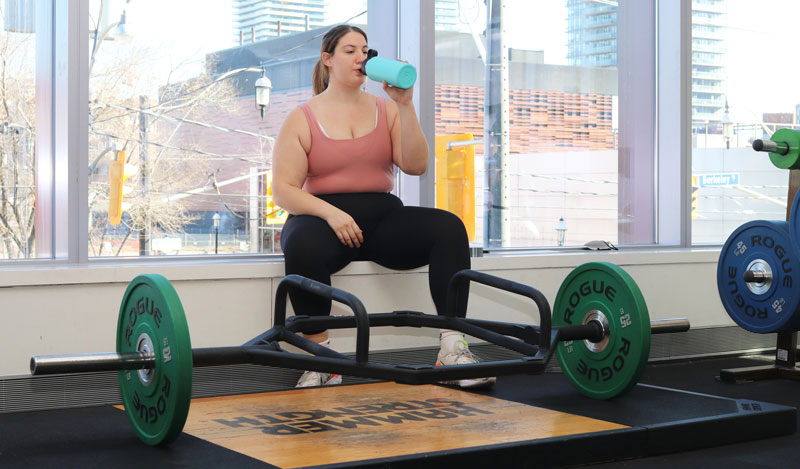
For example, maybe you are feeling the effects of dehydration such as reduced energy levels and headaches. These symptoms could make it more difficult for you to move often and choose healthy foods. If this sounds like you, make your first small goal to consistently drink enough water.
(You can find out how to stay hydrated in our Hydration series on our Healthy Living Library)
Remember, your short-term goals should be specific, measurable and realistic – just like your long-term goal.
Conclusion
Equipped with your specific, measurable and realistic goals, you are ready to start your journey to a happier, healthier, and more active version of you.
If you are looking to lose weight to be healthier, remember that health isn’t a size or a number. Focus on finding daily movement that brings you joy and eating nutrient-dense foods that you truly want to eat.
Begin Your Journey with Us
If you’re finding it challenging to get started on your journey, feel free to reach out to us for a complimentary consultation, and we would be more than happy to chat and offer some guidance to help you move forward. Sometimes taking the first step is the hardest, so don’t hesitate to get some help to kickstart the process. We all start somewhere.