

Personal Trainer
How to Eat Healthier
With the amount of information available about the healthiest ways to eat, I must emphasize that there truly is no perfect diet. Diet and nutrition are highly individualized, and what works for some may not work for others. Rather than focusing on the specific meals you should and shouldn’t eat, this article teaches you how to eat healthier by explaining the building block of nutrition. focuses on teaching you to build a solid foundation of healthy eating.
Macronutrients: The Building Blocks of Healthy Eating
Before you can use The Plate Method to build healthy meals, you should learn about the building blocks of our diet – macronutrients. We all require protein, carbohydrates and fats to support our energy levels and fuel our lives. In the section below, I’ll break down the importance of each macronutrient.
Protein

Protein plays an especially important part in our diet, making up the cells of our muscles, cartilage, and skin. As the most complex macronutrient, our bodies use more energy to break down proteins and do so at a slower rate than carbohydrates or fats. Because they take longer to digest, proteins keep us satiated for longer and help regulate our hunger and hormones.
How Much Protein Should I Eat Per Day?
As a general starting point, focus on ensuring that 30% of your daily food intake is protein. Remember, protein requirements vary based on age, health status, and the intensity and frequency of exercise. For a complete and healthy diet, incorporate a variety of lean protein sources. Some examples include:
- Poultry and lean meats
- Seafood and fish
- Red meat
- Greek yogurt
- Eggs
- Tofu
- Lentils and beans
Aim to include land-based proteins like chicken and red meat as well as non-land-based protein like seafood and fish. Vegetable proteins in tofu, lentils and beans are also reliable sources of protein.
Carbohydrates
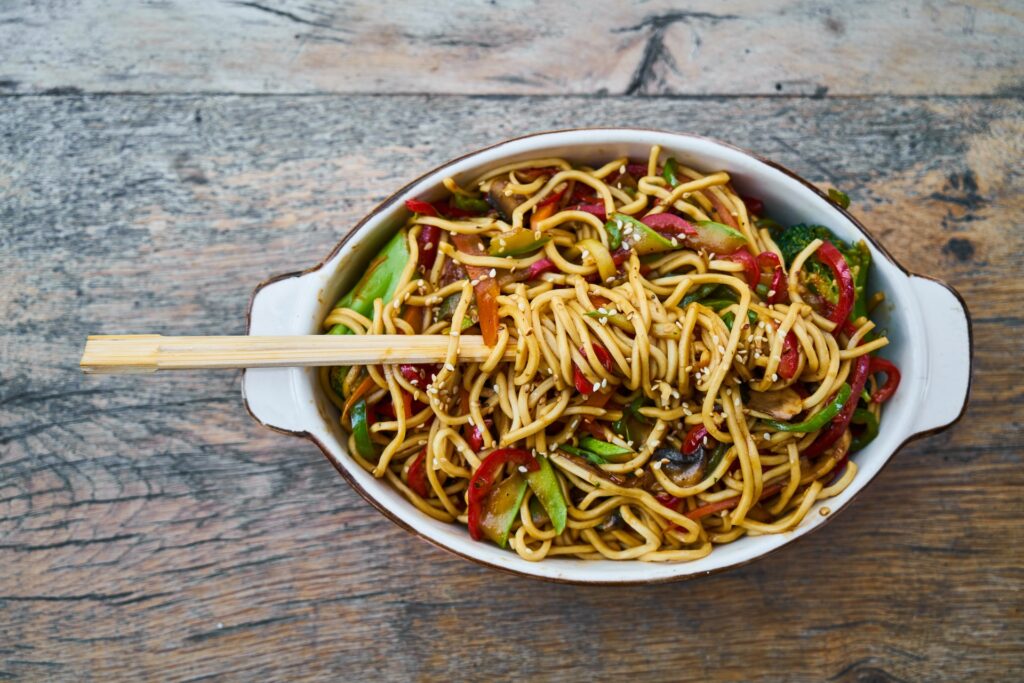
Carbohydrates are essential. They supply energy for everyday activities and support performance in the gym. Carbohydrates also help to promote recovery from training. Your carbohydrate intake will depend on your goals and training levels.
How Much Carbs Should I Eat Per Day?
Typically, a good starting point is to aim for about 30% of your daily caloric intake to come from carbohydrates. It’s important that you include a variety of sources in your diet, with particular focus on fruits, vegetables and complex carbohydrates such as whole grains.
Simple Carbohydrates vs. Complex Carbohydrates
The difference between simple carbohydrates and complex carbohydrates lies in how quickly they break down in the body. Both have a place in our diet, but it is important to understand how we are affected by each type.
The simplest carbohydrate is glucose and is broken down very quickly by the body. Simple carbohydrates are a great choice when you’re looking for a quick energy boost right before a workout. Some examples include berries, citrus, and rice cakes.
In contrast, complex carbohydrates take longer to break down into energy. Complex carbohydrates, such as whole grains and certain vegetables, cause a slower, more gradual rise in blood sugar and provide longer-lasting energy.
Overall, it’s important that you include a variety of carbohydrates in your diet, with particular focus on fruits, vegetables and complex carbohydrates like whole grains.
Fruits and Vegetables for Fiber
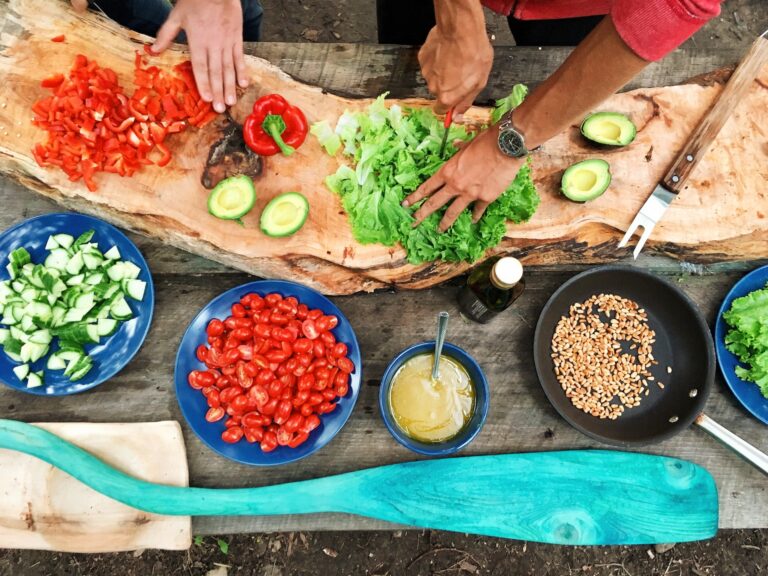
Fruits and vegetables are also considered sources of carbohydrates, but more importantly, they are great sources of fiber and micronutrients. Because cooking methods change the amount of fiber and micronutrients our body absorbs, it’s important that you vary the way you cook your vegetables. In addition to eating raw veggies in salads and snack plates, try to steam, bake, roast, stir fry, and grill your veggies.
Fats

The third macronutrient is fat. Fats form essential building blocks for hormones and lipid membranes. Fats also a play vital role in our immune system and vitamin absorption. To keep your heart healthy, it’s important to include a mix of saturated and unsaturated fats while limiting your intake of trans fats. A good starting point is to aim for fat to make up around 20% of your daily calories but this can change based on your goals.
How Much Fat Should I Eat Per Day?
A good starting point is to aim for fat to make up around 20% of your daily calories but this can change based on your goals. Some healthy sources of fats are:
- Olive oil
- Avocado
- Coconut
- Nuts + seeds
- Butter
- Meats and fish
The Plate Method
The Plate Method is an easy-to-follow guideline for building healthy meals. You can build a nutritious meal by making sure your plate is divided as follows:
- ¼ protein
- ¼ carbohydrates
- ½ non-starchy vegetables
Serving Size Guidelines
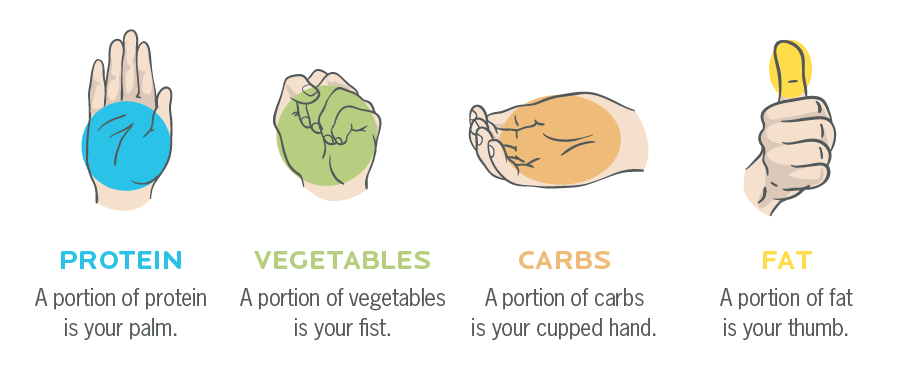
Image by Precision Nutrition: The Ultimate Macro Calculator (precisionnutrition.com)
Another way to build your healthy plate is by using serving size guidelines. Using your hand, you can decide how many servings of each macronutrient you have on your plate.
- 1 serving of protein is equal to the size of your palm
- 1 serving of vegetables is equal to the size of your fist
- 1 serving of carbs is equal to the size of your cupped hand
- 1 serving of fat is equal to the size of your thumb
If using the serving size meal template, your plate should be made up of:
- 1 - 2 servings of protein
- 1 - 2 servings of non-starchy vegetables
- 1 - 2 servings of carbohydrates
- 1 - 2 servings of fats
Healthy Eating Behaviours

To help you achieve your goal of eating more healthy foods, it’s important that you work on building healthy eating habits. Below are four eating behaviours and examples of how to incorporate them into your routine.
Plan, Prioritize, Prepare
- Make time for healthy eating by scheduling time to
- Grocery shop
- Prep your meals
- Look up recipes
- Cook with friends and family
- Meal prep
- Try cooking whole grains, veggies and protein ahead of time.
- Build your healthy meal roster
- Select easy, tasty, and healthy meals to add to your repertoire
Eat Slowly and Mindfully
A core part of health is digestion. To help your body break down your food, work on eating slowly and mindfully. Some tips include:
- Eat away from your desk
- Set mealtimes as part of your daily routine
- Eat without distractions
- Listen to your hunger and fullness cues
- Eat until you are about 80% full
Choose High Quality Foods More Often
All our food choices exist on a continuum of less nutritious to nutritious. As part of your goal to eat healthier, opt for more nutritious, whole foods. Work on eating less processed foods.
Tip: start your grocery trips by first exploring the perimeter of the store. That’s where you’ll find whole foods. Aim to fill up your cart here first, then head into the aisles.
Keep a Food Log
Logging what you eat and drink on a daily basis can help you understand how different foods make you feel. Specifically, note how certain foods affect your:
- Digestion
- Energy levels
- Concentration
- Sleeping Habits
Conclusion
With this new understanding of macronutrients, the Plate Method, and healthy eating behaviours, you have tools you need to achieve your goal of healthier eating.
Begin Your Journey with Us
If you’re finding it challenging to get started on your journey, feel free to reach out to us for a complimentary consultation. We would be more than happy to offer some guidance to help you move forward. Sometimes taking the first step is the hardest, so don’t hesitate to get some help to kickstart the process. We all start somewhere.